The Ultimate Checklist for Preventative Plumbing Maintenance: Keeping Your Home in Top Shape Jun 27, 2026
Beginning with a proactive approach is key to warding off plumbing issues before they escalate. Regular inspections can help you identify minor problems and address them promptly, saving you time and money in the long run. Here's what to include in your preventative plumbing maintenance routine.
First, regularly check for leaks. Leaky faucets, toilets, and showerheads are common culprits of wasted water and increased utility bills. Inspect all water fixtures in your home at least once a month. Look for signs of water dripping, puddling, or unusual sounds that might indicate a hidden leak. Early detection and repair can prevent water damage and mold growth.
Next, ensure you maintain clean and clear drains. Clogged drains are one of the most frequent plumbing problems that can be easily avoided with regular care. To prevent buildup, use a drain strainer to catch hair, food particles, and other debris. Incorporate monthly cleaning with a mixture of vinegar and baking soda, followed by hot water, to keep your drains running smoothly and odor-free.
Water heaters also require regular attention. Inspect your water heater annually to ensure it operates efficiently. Check for any leaks, rust spots, or unusual noises. Flushing the tank yearly can remove sediment build-up, which enhances efficiency and prolongs the life of the heater. It's also a good time to evaluate the temperature settings, keeping it at a safer level around 120 degrees Fahrenheit to prevent accidental scalding and reduce energy consumption.
Another essential step involves monitoring your water pressure. High water pressure not only stresses your plumbing system but can also lead to pipe damage. Use a water pressure gauge to test your home's water pressure once a year. If readings exceed 80 psi, consider installing a pressure regulator to preserve your pipes and fixtures.
Furthermore, always be mindful of what goes down your drains. Avoid flushing items like wipes, paper towels, and feminine products, as they do not break down easily and can cause major blockages. In the kitchen, be cautious of pouring grease down the sink. Instead, install a grease trap or dispose of it in the trash to circumvent clogs and potential plumbing disasters.
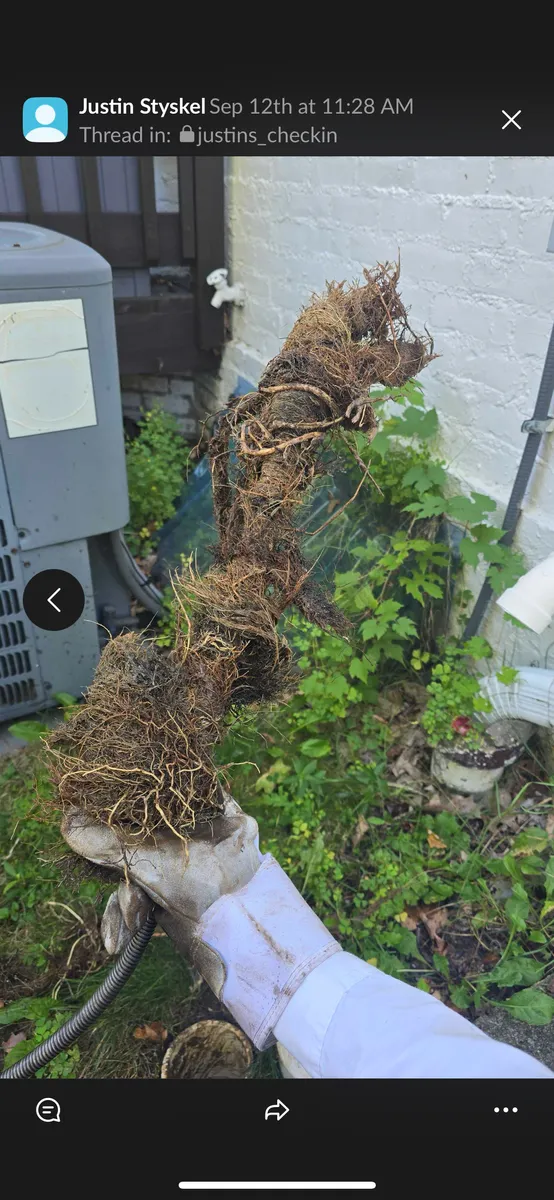
Checking your sewer system is another crucial component of maintenance. Tree roots, debris, and ageing pipes can lead to blockages or breakages in your sewer line. Consider an annual professional inspection with a camera to assess the condition of your pipes and address any issues before they require major repairs.
Finally, consider possible upgrades to your plumbing system. Modernizing old fixtures like toilets and faucets can enhance water conservation and reduce utility costs. Low-flow fixtures are designed to use less water without sacrificing performance, which makes an upgrade both an eco-friendly and cost-effective choice.
To conclude, consistent preventative plumbing maintenance is the cornerstone of avoiding costly repairs and keeping your home in top shape. The Drain Force recommends implementing this checklist to identify potential issues early and ensure a seamless plumbing experience. For any complex plumbing needs, remember that professional assistance is always available to help you maintain a safe and efficient home environment.
/filters:no_upscale()/filters:format(webp)/media/6fbd684f-4092-4956-9971-712669aa3e74.png)