Mastering Septic System Solutions: Tips for Efficient and Trouble-Free Operation Jul 05, 2026
The first step in optimizing your septic system operation is understanding how it works. A septic system treats household wastewater by separating solids from the liquid before the liquid drains into a leach field, where it's filtered by soil layers. This natural process can be disrupted by factors like neglect or misuse, leading to overflows or blockages.
Regular inspections and pumping are critical to maintaining your septic system. On average, you should schedule professional inspections every three to five years. During these inspections, a professional will check for signs of trouble and remove accumulated sludge from the tank. This prevents solids from clogging the drainage field, which can result in backups and unpleasant odors.
Mindful water usage is another key component in septic system care. Excessive water flow can overload your system, causing untreated wastewater to reach the surface or drain fields prematurely. To avoid this, spread out your laundry loads throughout the week rather than doing them all in one day. Also, consider installing low-flow fixtures to reduce water use in showers, toilets, and faucets.
Being cautious about what goes down your drains can significantly impact your septic system's health. Non-biodegradable items like wipes, sanitary products, and cooking oils should never be flushed or poured down the sink, as they can cause blockages. Similarly, harsh chemicals from household cleaners can disrupt the balance of bacteria that help break down solids in your tank.
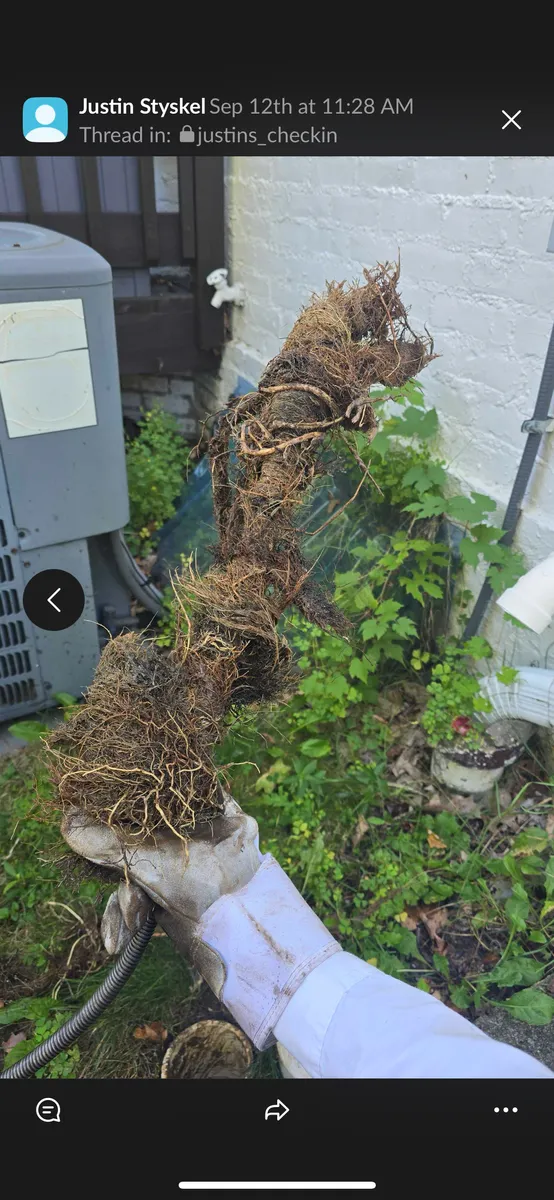
Landscaping considerations can also play a vital role in the efficiency of your septic system. Avoid planting trees or deep-rooted shrubs near the septic tank or drainage field, as roots can penetrate and damage the system. Ideally, grass or other shallow-rooted plants should cover your drainage field to prevent erosion without harming your septic components.
Environmental awareness is essential for a sustainable septic system. Be wary of heavy machinery or vehicles driving over your septic area, as compaction can damage the pipes and tank. Additionally, divert rainwater runoff away from the leach field to prevent flooding, which can saturate the area and restrict proper filtration of wastewater.
Educating your household members on best practices can further enhance your septic system's performance. Explain the importance of conservation and proper waste disposal to children and guests, ensuring everyone contributes to maintaining your septic system's functionality.
By following these tips, you can master the art of septic system management, minimizing the risks of malfunctions and maximizing efficiency. Regular attention and care are indispensable to ensure that your septic system remains a reliable part of your home’s infrastructure.
In conclusion, a proactive approach to septic system maintenance can save you from unexpected repairs and replacements. The Drain Force is here to support you with professional inspections, cleaning services, and expert advice, ensuring your septic system operates trouble-free for years to come. For more information or to schedule a service, contact us today and let our experienced team help keep your home’s plumbing in top condition.
/filters:no_upscale()/filters:format(webp)/media/6fbd684f-4092-4956-9971-712669aa3e74.png)